
Whole Home Planning Guide
What a Whole Home Renovation Costs in Scottsdale
By Avi Saslow, DYS Construction AZ · Published · Last updated
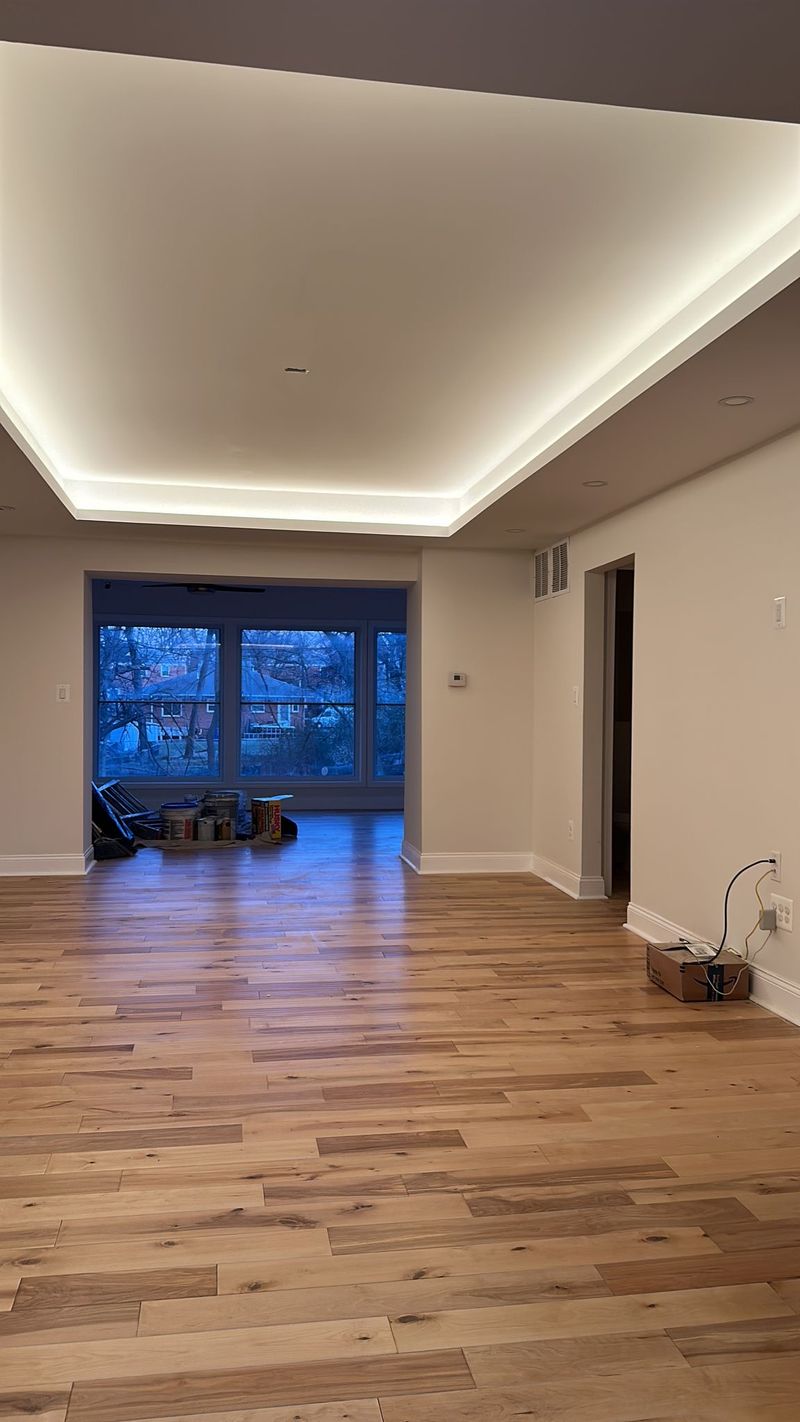
Most contractors will not give you a number before they have walked the house. There is a reason for that, and it is a good one. But it leaves you guessing, and guessing is how people end up with three bids they have no way to compare.
So here are real numbers.
A whole home renovation in Scottsdale runs anywhere from $60,000 to $800,000. That range is so wide it tells you nothing on its own, so here is the more useful number: most projects land between $150,000 and $350,000.
What follows is what moves a project out of that range in either direction, and how long each scope actually takes.
What you get at each level
$60,000 to $150,000: the same house, brought up to date
Kitchen, bathrooms, flooring, paint, lighting and fixtures. The walls stay where they are and the plumbing stays where it is.
This is a finishes project. It is the right scope for a house whose layout already works and simply looks dated. Most of what people dislike about an older home is finish, not plan, and it is worth being honest with yourself about which one you are dealing with before you spend more.
Choose this if: the house functions well and you cannot stand looking at it.
$150,000 to $350,000: where most whole home renovations land
Here the layout changes. Walls come out, a kitchen opens to a living space, and plumbing and electrical get relocated to suit the new plan rather than the old one. Finishes move up a level across the house.
The jump in cost is not mostly materials. It is what sits behind them. Moving a kitchen sink or adding a bathroom means relocating drain and supply lines, and in an Arizona home on a slab that means cutting concrete, rerouting, and repouring. Opening a wall between two rooms means finding out whether that wall is carrying the roof.
Choose this if: the house functions poorly, and you already know which parts.
$350,000 and up: additions and structural work
Square footage gets added, or structural elements change. Both bring in engineering, plan review, permits and inspections that a finishes project never touches.
At this level you are also usually paying for materials that behave differently: natural stone with matched veining, custom millwork built for the space, integrated lighting design, and windows and doors sized to openings that did not exist before.
Choose this if: the house itself is the problem, not what is inside it.
The four things that actually move the number
Square footage added. The single largest driver, by a wide margin. New square footage carries foundation, framing, roof, mechanical, electrical and plumbing all at once, and none of it existed to reuse.
Structural changes. Removing a load-bearing wall means a header, posts, a structural engineer and a permit. The wall itself is a morning of work. Everything around it is not.
Plumbing and electrical relocation. In a slab home, moving drain lines means cutting and repouring concrete. Older Scottsdale homes were also not wired for the loads a current kitchen carries, so sometimes the panel itself needs attention before anything else can start.
Level of finish. The same layout can be built twice at very different costs. This is the one lever you control completely, all the way through the project, and it is where most budgets are won or lost.
How long it takes
This is the part most homeowners get wrong, and the part most contractors are vague about.
Cosmetic scope: construction is estimated at about two months. Finishes, fixtures and flooring with the layout unchanged. Planning, selections and material lead times come before construction and are separate from that estimate. Custom cabinetry can take up to about a month to arrive, which is why we order it before demolition rather than after.
Layout changes: construction is estimated at about three to five months. Relocating plumbing and electrical adds rough-in inspections, and every inspection is a scheduled date rather than a day you control.
Additions and structural work: construction is estimated at about six to eight months. Engineering, plan review and permits happen before demolition and are planned separately from the construction estimate. In Scottsdale that process alone can take weeks, and on a hillside lot it takes longer.
These are construction estimates, not guarantees. Permits, inspections, engineering and material availability can change the schedule, so you receive a written schedule before work begins.
What to ask before you sign
What is not in this bid? Appliances, permits, engineering, disposal and finish hardware are the usual gaps. A bid that looks cheaper is often just less complete.
How do you handle what you find behind the wall? In a house built before the 1990s, something will come up. The answer should be a process, not a promise that nothing will. Ask what a change order looks like and who approves it.
What is the payment schedule? A reasonable deposit, then payments tied to completed milestones. Be careful with anyone asking for a large share up front, and be careful with a non-refundable design fee charged before you have seen a real number.
Who is on my job every day? Some companies sell you a project manager you meet once. Ask who is physically present and how often.
Is the license active? In Arizona, any contractor doing work over $1,000 must hold an active Registrar of Contractors license. Look it up yourself at roc.az.gov and check that it is active, that the classification matches your work, and that there is no complaint history.
The honest summary
A whole home renovation in Scottsdale costs between $60,000 and $800,000, and most land between $150,000 and $350,000. Construction is estimated at about two months for finishes, three to five months for layout changes, and six to eight months for additions and structural work. These are estimates, not guarantees.
The contractors worth hiring will tell you this before you ask.